
INDUSTRIAL ELECTRIC HEATERS
Electrically Heated Oven
Describe the material to be heated, working space and temperature requirements. The image supports an equipment discussion; the final configuration needs confirmation.
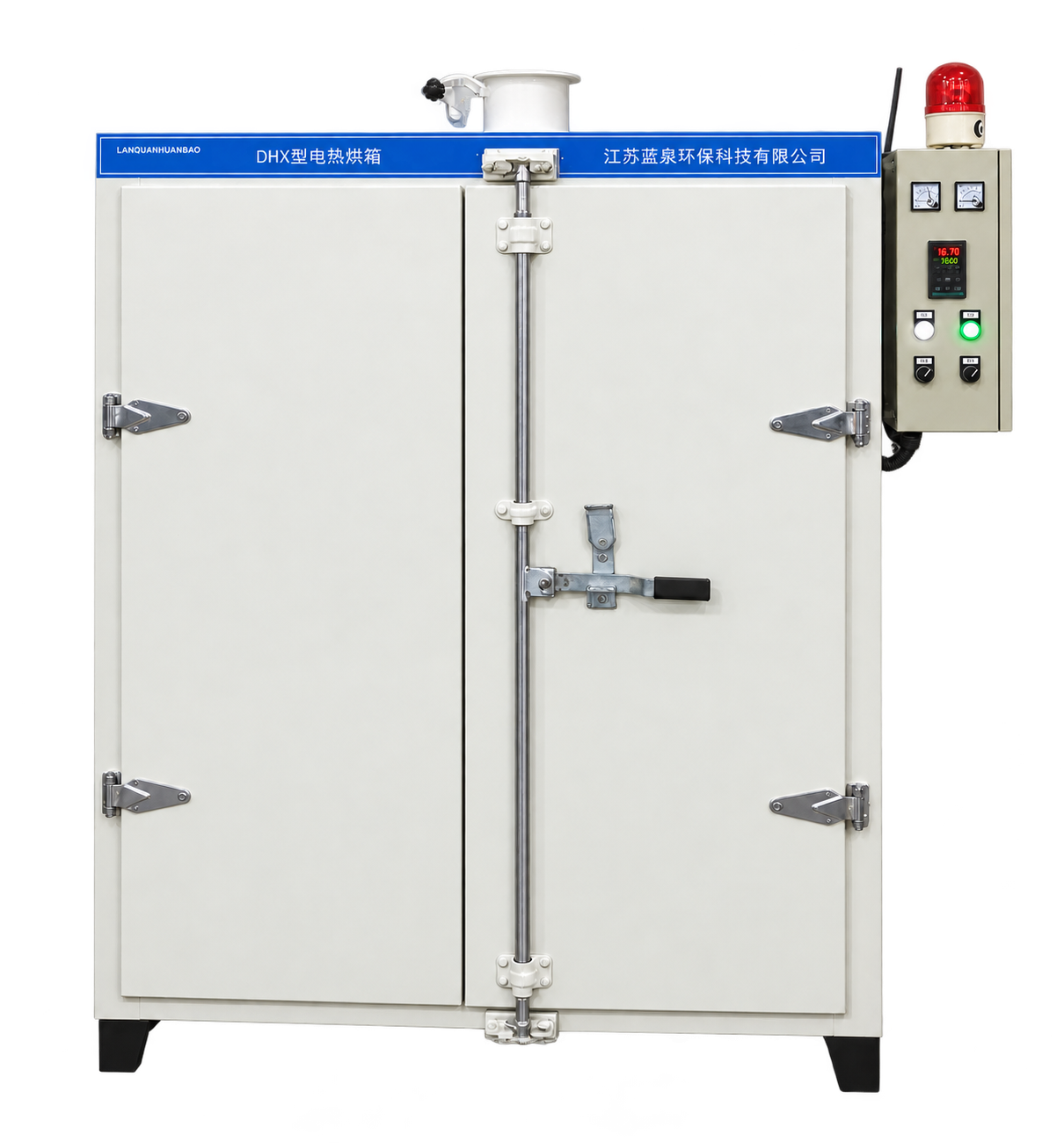
Electric Heating Oven — Application Review and Selection Process
Start with materials, chamber dimensions, temperature and exhaust needs; establish process and safety conditions before the proposal.
Electric Heating Oven — Applications
Circulating-air convection supports batch drying, curing, baking, preheating and ageing; validate suitability and uniformity for materials and load.
Electric Heating Oven — Process Conditions and Workpieces
Define airflow/exhaust from workpieces, loading, temperature field and emissions.
- Workpieces: solid parts, plastics, electronics, metals, powders, panels and samples.
- Temperature: maximum working temperature, ramp, hold and uniformity acceptance conditions.
- Chamber: dimensions, load mass, trays/carts/racks and airflow clearance.
- Materials: moisture, solvents, corrosive volatiles and maximum emission rate.
- Circulation: horizontal/vertical arrangements designed for loading and uniformity.
- Operation: batches or a specifically designed continuous configuration.
- Exhaust: flow, collection interface, make-up air and treatment requirements.
Convection needs sufficient circulation; size exhaust for maximum emissions and provide appropriate protection. Confirm independent overtemperature protection by design.
Electric Heating Oven — Technical Specifications and Selection Inputs
Size, temperature, load and exhaust are key inputs; confirm features and ratings by agreement, drawings and acceptance.
Electric Heating Oven — Material Requirements
Match liner, exterior, insulation and auxiliaries to temperature, moisture, corrosion and cleanliness.
- Galvanised liner: assess dry non-corrosive service; ambient–200°C is preliminary and requires coating, contamination and temperature review.
- SUS304 liner: assess moisture, clean duties and some mildly corrosive conditions.
- SUS316L liner: verify concentration/temperature for chlorides or corrosive volatiles; corrosion resistance is not universal.
- Exterior: specify carbon/cold-rolled steel grade and finish in drawings for the environment.
- Insulation: ceramic/glass fibre or other suitable materials selected for temperature, fibre containment and cleanliness; validate surface temperatures.
- Seals, trays, carts and racks: match silicone, stainless or other materials to temperature, load, chemicals and hygiene.
Electric Heating Oven — Customization Requirements
Assess custom modular configurations for materials, space and safety.
- Chamber: size, single/double doors, benchtop/upright layout, trays and carts.
- Air circuits: horizontal/vertical flow, circulation and exhaust rates.
- Controls: profiles, HMI, recording, 4–20mA signals/RS485 communication.
- Protection: independent overtemperature, fan overload, validated airflow permissives, alarms and risk-based flammable-gas detection/explosion measures.
- Exhaust: interfaces, collection and treatment matched to emissions; simple treatment is not assumed compliant.
- Finish: exterior colours and suitable liner polishing.
- Options: windows, timers, cooling and specifically engineered explosion relief; relief openings do not replace complete solvent-safety design.
Feasibility and supply scope follow agreed technical documents.
Electric Heating Oven — Frequently Asked Questions
Grouped by selection, commissioning and maintenance for preliminary discussion.
Selection
What selection inputs are required?
Provide chamber size, temperature, materials, load, moisture/solvent content, release rate and supply. Size, temperature, load and exhaust jointly determine duty and design.
What is the typical maximum temperature?
200–250°C general-purpose and 300–500°C high-temperature ranges are design references, not confirmed ratings for this product. Verify elements, fans, seals, insulation and material safety.
What are the risks of solvent-bearing materials?
Accumulated flammable vapours can ignite explosively. Assess exhaust/make-up air, purging, airflow/heating interlocks, monitoring and explosion protection/relief; an explosion-protected cabinet alone does not establish oven suitability.
Installation and Commissioning
What site conditions are required?
Confirm floor, ventilation, access, supply and designed exhaust interfaces. Collect/treat emissions as required rather than assume outdoor discharge is acceptable. Validate controls and interlocks before service.
Must the fan run before heating?
Circulating-air ovens should establish validated sufficient flow before permitting heat. Disconnect heat on fan/airflow faults; follow the manual for sensing and cooldown.
Maintenance
What maintenance is needed?
After shutdown, isolation and cooling, clean liner/ducts; inspect seals, fans, exhaust and sensors and calibrate controls/protection. Shorten intervals as warranted for volatile materials.
How is uneven temperature investigated?
After safe shutdown, qualified personnel check fans, blockage, loading clearances, sensors, seals and insulation; remeasure at specified points without bypassing protection.
Technical/selection information does not replace a site design. Follow delivered instructions and applicable electrical, fire, explosion and environmental requirements.